Choosing the right bike style can feel overwhelming, but it doesn’t have to be! Think about how you plan to use your bike. Are you cruising around the neighborhood, hitting some rugged trails, or commuting to work? Each type of bike fits a different riding style and terrain.
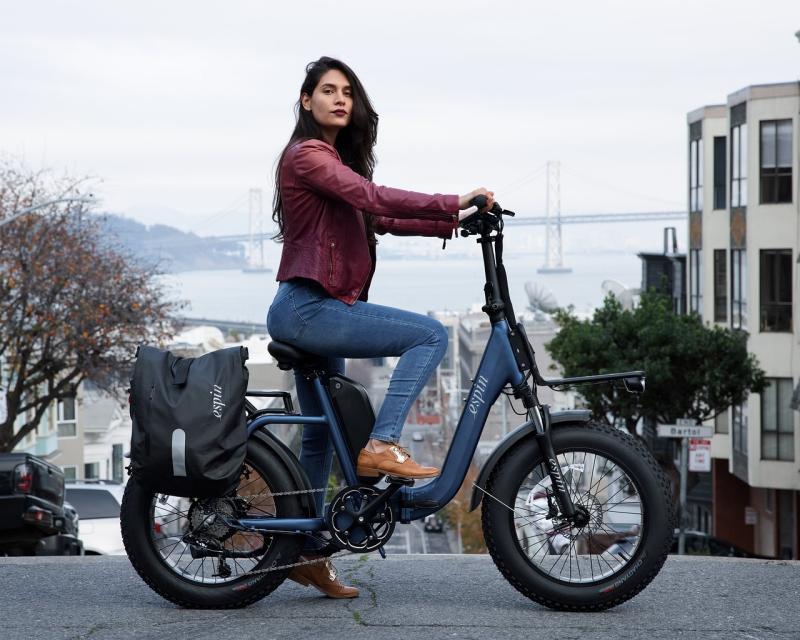
If you want to ride around town or have a leisurely experience, a cruiser might be your best bet. Cruisers are comfy, have a relaxed riding position, and often come with cute designs. They’re great for short rides and flat surfaces, making them ideal for leisure biking.
On the other hand, if you're looking to tackle hilly terrain or rough paths, a mountain bike is what you need. These bikes come with robust tires and sturdy frames to handle bumps and dips. With a mountain bike, you get a thrilling ride and the ability to explore nature's trails. Plus, they usually have great grip, which is a must for off-road adventures.
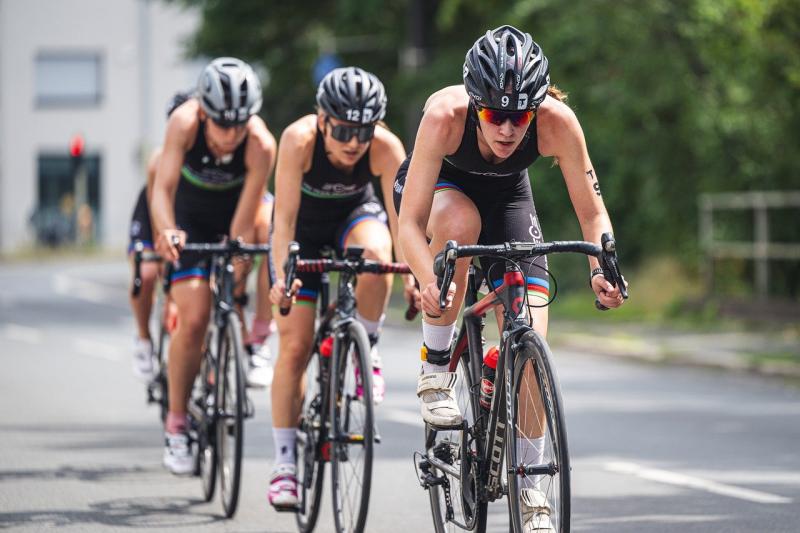
If you plan on commuting or covering longer distances, a road bike could be the right choice. These bikes are designed to be lightweight and fast. They have skinny tires for efficiency on paved roads, making it easier to zip around the city. Keep in mind that you’ll be hunched over a bit more, but that posture helps you move faster.
Lastly, if you want versatility, consider a hybrid bike. These combine features from cruisers and road bikes, offering comfort and speed. They're perfect for riders who want to do a bit of everything, from city riding to light trail exploring.
Understanding Bike Sizes and Fit
Getting the right bike size is super important. A bike that fits you well makes riding more enjoyable and can even help prevent injuries. Let's break it down.
First, think about your height and inseam. Bike sizes usually come in small, medium, large, and extra-large options. Each size corresponds to different height ranges. Measure your inseam, which is the distance from your groin to your ankle. That’ll help in selecting the right frame size.
Next, consider the bike type. Road bikes typically have a different geometry than mountain bikes. Road bikes focus on speed and aerodynamics, while mountain bikes are built for stability and control. Think about where you'll ride most, and that will help narrow down your fit.
Don’t forget about adjustments! Many bikes have adjustable seats and handlebars. This means you can tweak them for a more personalized fit. Test ride a few bikes if you can, and take note of what feels comfortable. Your bike should feel like an extension of you.
Lastly, getting the right fit isn’t just about size. It's also about how it feels when you ride. You want to be able to reach the handlebars easily and have a good amount of leg extension when pedaling. Trust your instincts—if it feels wrong, it probably is, so keep searching until you find your perfect match!
Exploring Features That Matter
When you’re on the hunt for the right bike, pay attention to features that really count. Think about how you plan to use it. Are you commuting, racing, or just cruising around? Each style needs different features to make your ride enjoyable.
First off, let’s talk about the frame. The material matters a lot. Aluminum is lightweight and affordable, while carbon fiber is super light and strong but usually costs a bit more. If you’re looking for something sturdy but not too pricey, steel frames give you durability with a smooth ride. Choose what fits your riding style and budget.
Next, consider the gearing system. Are you climbing hills or riding on flat terrain? A bike with multiple gears will help you tackle various conditions easily. If you’re mostly in the city or on flat roads, a single-speed bike or a bike with a few gears can be a simple and fun option.
Don’t forget the tires! Wider tires offer more grip and comfort, which is great for rough roads or trails. But if you’re aiming for speed on pavement, narrower tires can help you fly. Make sure to check the tire type based on where you’ll be riding.
Finally, pay attention to the brakes. Disc brakes are great for all-weather conditions, providing strong stopping power. Rim brakes are lighter and easier to fix if you’re on a budget. Choose what makes you feel safe and in control while riding.
Budgeting for Your Dream Bike
Getting your dream bike doesn’t have to break the bank. The key is setting a budget that works for you and sticking to it. Start by figuring out how much you can comfortably spend. Think about your must-have features and where you’re willing to compromise. This might include the type of bike, extra gear, or any accessories you'll want.
It’s smart to research the average prices for the kind of bike you want. For example, if you're looking for a decent road bike, you might find options starting around $500, while high-performance models can easily run over $2,000. Don’t forget about maintenance costs, accessories, and gear, which can add up quickly.
Check local shops and online retailers. Sometimes, you’ll find great deals or sales that can help you snag that dream bike without overspending. Look for last season’s models or gently used bikes too. They can save you a lot and still give you a fantastic ride.
Consider financing options if your dream bike is a bit out of reach. Some shops offer payment plans that break up the cost into manageable monthly payments. Just be sure to read the fine print, so you know what you're signing up for.